5 Equipment Rentals That Turn All-Day Jobs Into Morning Tasks
March 17, 2026
When you're facing a tight deadline, the difference between manual labor and the right powered equipment can be measured in days, not hours. Property managers dealing with turnovers, contractors juggling multiple sites, and DIYers tackling major renovations all face the same challenge: getting quality work done fast without cutting corners.
The math on certain equipment rentals is straightforward. If a tool saves you eight hours of labor on a two-day job, it's already paid for itself. Add in the physical toll of repetitive manual work, the consistency of results, and the ability to take on projects you might otherwise pass on, and the rental decision becomes even clearer.
In this blog we will cover 5 ways to turn all-day jobs into a couple hours worth of work using the right tools and a trustworthy equipment rental company.
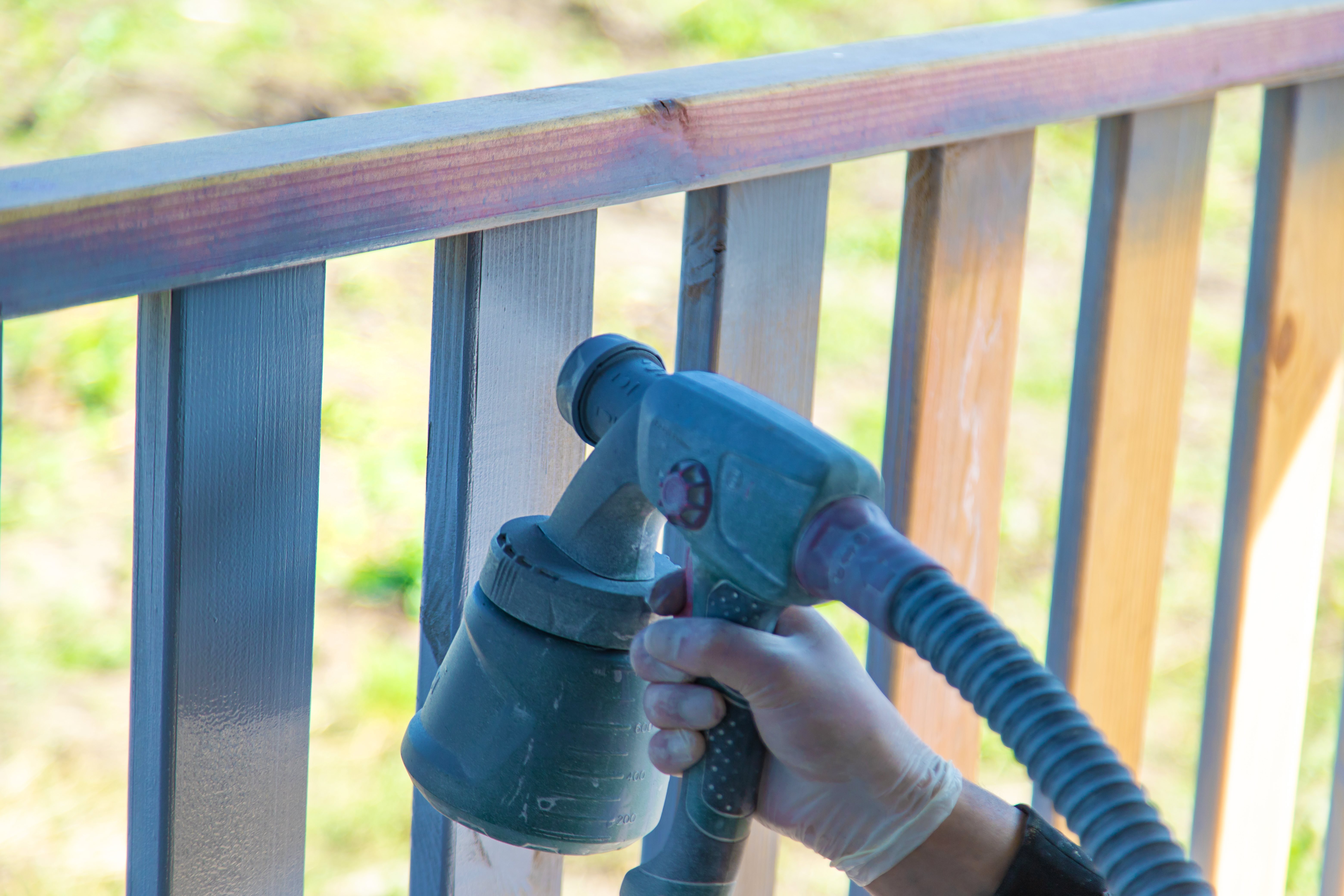
Paint Sprayers for Large Coverage Areas
An airless paint sprayer covers roughly 2,000 square feet per hour, while rolling the same area takes about 10 hours. For apartment turnovers, commercial spaces, or whole-house repaints, that efficiency gap defines whether you finish in one day or three.
The setup takes about 15 minutes once you know the process. Masking and prep work remain the same whether you're rolling or spraying, but the actual application time drops dramatically. Interior work requires more careful masking around fixtures and windows, but even with that extra prep, you're looking at completing a 2,500-square-foot home interior in a single day versus three days with traditional methods.
Consider renting a sprayer when you're painting more than 1,000 square feet of similar surfaces, dealing with textured walls that eat up roller nap, or working with primers and paints that require multiple coats. The rental cost typically runs $75 to $150 per day, which becomes negligible when you factor in labor savings.
Scissor Lifts for Working at Height
Moving a ladder every few feet to install siding, clean gutters, or paint eaves turns a morning's work into an all-day marathon. A scissor lift provides a stable platform that moves along the work surface, letting you focus on the task instead of constantly climbing up and down.
For second-story siding installation, a scissor lift cuts installation time by about 60%. You're working from a platform large enough to hold materials and tools, eliminating trips up and down for supplies. The safety factor alone justifies the rental for many contractors, as ladder-related injuries remain one of the most common jobsite accidents.
Electric scissor lifts work well for interior projects with high ceilings, while rough terrain models handle outdoor grading and uneven surfaces. Most models extend to 20 to 40 feet, covering the vast majority of residential and light commercial work. Daily rental rates range from $200 to $400, depending on lift height and type.
Electric lifts are also straightforward to operate but if you are still hesitant about operating heavy machinery be sure to talk with your equipment rentals rep or check out our blog on how to safely use a scissor lift.
Trenchers for Underground Installation
Digging a 100-foot trench by hand for irrigation lines, electrical conduit, or drainage takes a fit person most of a day. A walk-behind trencher cuts that same trench in under an hour. The difference becomes more dramatic with longer runs or harder soil conditions.
Trenchers come in various sizes, from small walk-behind units perfect for irrigation and low-voltage lighting to larger track units for utility installation. The walk-behind models handle trenches up to 36 inches deep and 4 to 12 inches wide, suitable for most residential projects. They work through standard soil, clay, and even moderate root systems that would stop hand digging cold.
Plan on $200 to $350 per day for a walk-behind trencher. For comparison, hand-digging a 100-foot trench costs about $500 to $800 in labor. The rental pays for itself on the first trench, and you'll finish in time for lunch instead of quitting time.
And remember to always call 811 or visit www.call811.com before digging.
Floor Sanders for Refinishing Projects
Refinishing hardwood floors with a palm sander might technically be possible, but it's like mowing a football field with scissors. A drum or orbital floor sander handles 500 square feet in about two hours, while hand sanding the same area would take two full days.
Professional floor sanders remove old finish evenly, eliminate cupping and minor damage, and prepare the surface properly for new finish. The dust collection systems on rental units keep the workspace cleaner than any amount of plastic sheeting could achieve with hand sanding. You'll still need detail sanders for edges and corners, but the bulk of the work happens fast.
Drum sanders work faster but require more skill to avoid gouging. Orbital sanders are more forgiving for first-time users and still dramatically outpace manual methods. Expect to pay $150 to $250 per day, plus sandpaper. Most 1,500-square-foot homes can be completely sanded in one day with the right equipment.
Concrete Mixers for Pour Projects
Mixing concrete by hand in a wheelbarrow works for setting a few fence posts. For a patio, sidewalk, or foundation project, a concrete mixer transforms what would be an exhausting multi-day project into manageable work.
A standard portable mixer handles about one cubic yard per hour, maintaining consistent mix quality that's nearly impossible to achieve by hand. The consistency matters as much as the speed. Hand-mixed batches vary in water content and blend quality, leading to weak spots and surface problems. A mixer delivers uniform concrete that cures evenly and reaches full strength.
Electric mixers work well for smaller projects near power sources, while gas models offer mobility for remote locations. Most handle 3 to 9 cubic feet per batch. Daily rentals run $75 to $150, a fraction of what you'd pay for ready-mix delivery on smaller projects where the minimum delivery charge would exceed the actual concrete cost.
Rental Equipment that Saves You Time and Money
The equation for these time-saving rentals stays consistent: if the equipment saves more in labor hours than it costs to rent, it makes financial sense. Factor in the physical demands of manual alternatives, the quality of the finished work, and your ability to meet deadlines, and the decision usually becomes clear.
Each of these tools requires basic familiarity to use safely and effectively. Most rental companies provide operating instructions and basic training. Starting with smaller, less critical areas lets you get comfortable before tackling the main project.
Our team at A-Z Rentals can help you match the right equipment to your specific project requirements. We'll go over operating basics, safety considerations, and what to expect during your rental period. Contact us to discuss your project timeline and we'll help you determine which equipment makes sense for your situation.