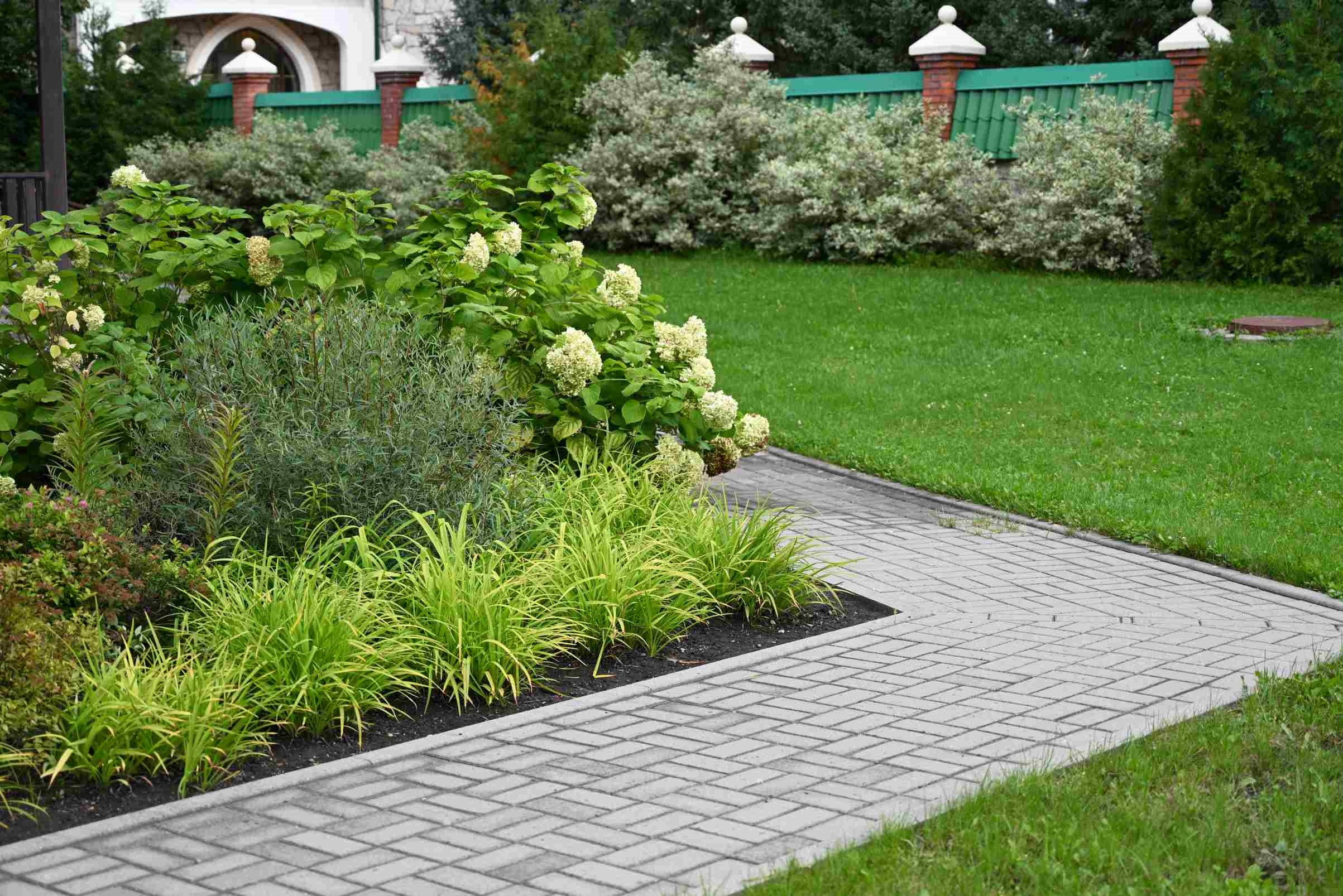
Landscaping Projects to Start Early for a Better Spring Yard
May 4, 2026
Spring landscaping season gets busy fast. Contractors, property managers, and homeowners often wait until the weather warms up to start outdoor projects, but that usually means dealing with soft ground, tight schedules, and equipment availability challenges.
Starting key landscaping projects earlier helps prevent delays and gives you more control over timelines and jobsite conditions. Early preparation also helps avoid costly mistakes. Installing drainage, grading soil, and completing hardscape work before planting begins protects finished areas and makes the entire project run smoother.
Whether you are managing multiple properties or tackling a large yard upgrade, planning early landscaping work helps you stay ahead of spring demand.
Which Landscaping Projects Make Sense to Start Early
Some landscaping work is easier and more effective before plants begin growing and soil becomes saturated from spring rain.
Grading and Drainage Improvements
Correcting drainage problems early is one of the most valuable projects you can complete before spring. Water pooling around foundations, low yard areas, or hardscapes usually comes from grading that slopes toward structures or holds moisture in low spots.
Grading projects often involve reshaping soil, building swales, or installing drainage systems like French drains. These jobs are easier when the ground is still firm enough to support equipment.
For grading and soil movement, contractors commonly use compact loaders and excavation equipment.
These machines help move soil quickly and create consistent slopes. They are especially useful when drainage work involves working close to buildings or landscaping that needs to remain intact.
Hardscape Installation Before Planting
Patios, retaining walls, walkways, and raised beds should usually be installed before planting or turf installation. Completing hardscapes early prevents damage to plants and avoids rework caused by equipment traffic.
Hardscape installation often involves excavation, material transport, and compaction. Mini excavators help with digging and material placement, while compaction equipment helps stabilize base layers so patios and walkways do not shift later.
Soil Preparation and Bed Construction
Healthy landscaping starts with soil preparation.
Testing soil and adding amendments before planting gives grass, plants, and trees a better foundation. Soil preparation can include adding topsoil, compost, or adjusting grading around planting beds.
Skid steers and compact loaders are often used to spread soil and shape planting areas efficiently. Completing this step early allows soil amendments time to settle and integrate before planting season begins.
Irrigation and Water Management Setup
Installing irrigation lines or repairing existing systems before planting helps prevent plant stress once temperatures rise. Early installation also avoids disturbing finished landscaping later.
Drainage and irrigation often go hand in hand. Water should be directed both toward plant zones and away from structures and low areas. Installing these systems before planting improves long-term performance and reduces maintenance issues.
Trenching equipment is commonly used for irrigation line installation and drainage pipe placement. You can review our
trenching options here.
Yard Cleanup and Material Removal
Winter often leaves behind debris, fallen limbs, and dead vegetation. Clearing these areas early prepares the yard for grading and planting while reducing pest and disease concerns.
Cleanup projects frequently involve hauling debris, transporting soil, or delivering landscaping materials.
Equipment trailers
can simplify hauling and material transport for both contractors and serious DIY projects and a woodchipper can turn leftover wood into a free supply of mulch.
Common Mistakes We See With Early Landscaping Projects
One of the biggest mistakes is starting planting work before grading and drainage are fully addressed. Installing turf or landscaping before correcting water flow usually leads to rework once spring rain exposes drainage problems.
Another common issue is choosing equipment based only on availability rather than job requirements. Renting equipment that is too small often increases labor time, while equipment that is too large can damage finished areas and reduce maneuverability.
Skipping compaction during hardscape or grading work is another frequent problem. Soil and base layers that are not compacted properly often settle and cause uneven surfaces or drainage failures.
Key Takeaways Before Starting Early Landscaping Work
Starting landscaping projects before spring helps prevent scheduling conflicts and improves overall project quality. Most successful early landscaping projects include:
-
Evaluating drainage and grading before planting
-
Installing hardscapes before turf or landscaping
-
Preparing soil and planting beds early
-
Installing irrigation and drainage systems before new growth begins
-
Choosing equipment that matches access and soil conditions
-
Allowing enough time for compaction and finishing work
Early planning reduces rework, protects finished landscaping, and helps projects stay on schedule.
We Are Here to Help You Plan Your Landscaping Projects
Choosing the right machines can make a significant difference in productivity, safety, and project timelines. If you are planning landscaping work before spring and want help selecting equipment or estimating rental timeframes, o ur team at A-Z Rentals is available to help you think through the details and match equipment to your jobsite needs.